
Coaching Money: My Journey
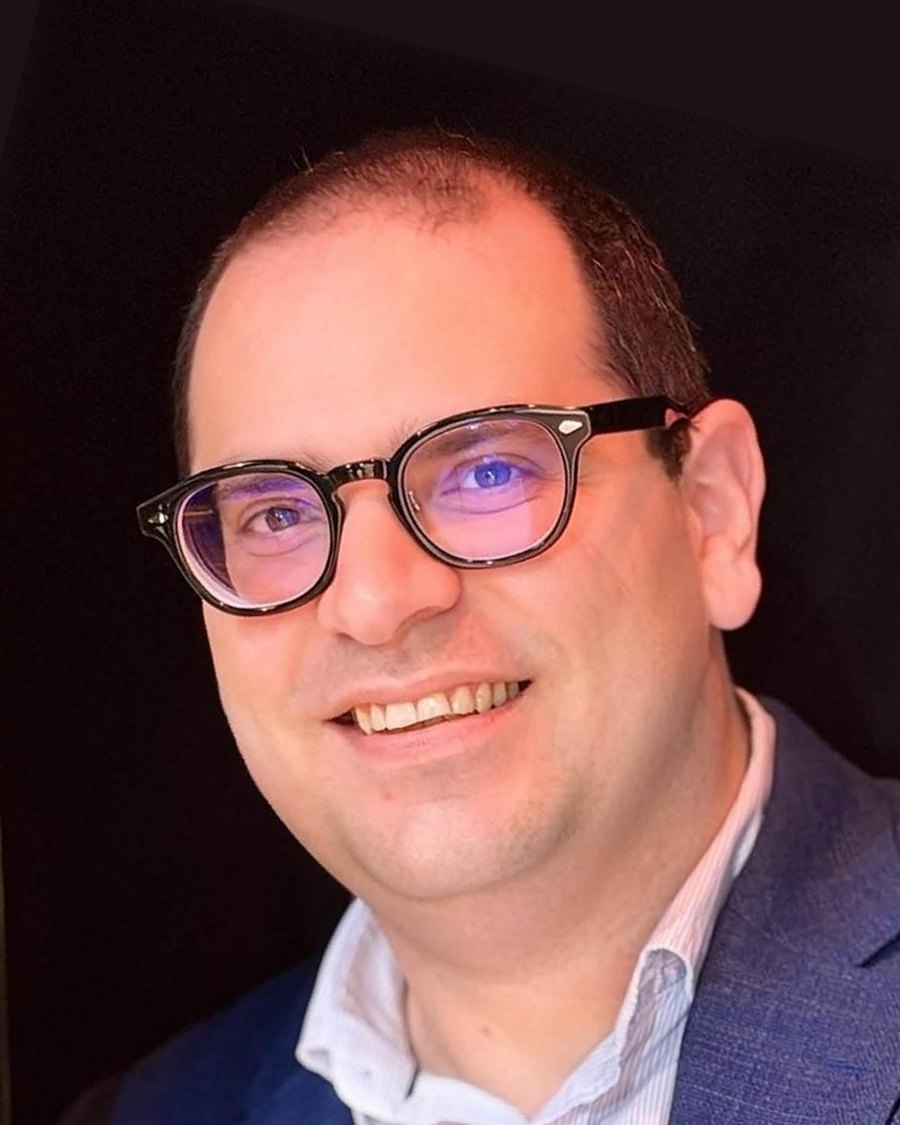 Luca Caruana25 Jun 2025 · 3 min read
I still remember the sleepless nights. The hushed conversations when my dad lost his job. The fear in the room that we’d lose our home.”
That’s where it all started for me.
My journey into financial literacy wasn’t inspired by textbooks or boardrooms. It was personal. Painfully personal. I grew up in a household where money was always tight — not because my parents didn’t work hard, but because they were never taught how to manage it.
That early chaos planted a seed. A need to understand money. And not just for myself, but to help others who felt the same weight I saw in my parents’ eyes. That seed eventually grew into what I now call my life’s mission: coaching money — not in the traditional finance sense, but in a way that connects behaviour, mindset, and financial tools in a deeply human way.
The First Money Coach in Malta (and the Pushback)
When I first started calling myself a “money coach,” most people looked at me like I was speaking a foreign language. “What do you mean, a money coach?” they’d ask. “Like an accountant? A financial advisor?”
Nope. This was different.
Money coaching is about helping people shift how they think, feel, and act around money. It’s about coaching money from the inside out. But I won’t lie — starting out in Malta was tough. I had to explain what I do every single time, often to sceptics.
But I kept going.
I started with individuals — people who just needed clarity, a plan, and a shift in perspective. And slowly, the demand grew. Soon, businesses started approaching me. That’s when I realised something powerful:
Financial stress wasn’t just a personal problem — it was a workplace issue too.
Bringing Financial Wellbeing Into the Workplace
As I worked with more and more companies, I kept seeing the same pattern:
- Employees distracted by financial worries
- Underperformance due to burnout and money stress
- HR managers unsure how to support their people beyond basic benefits
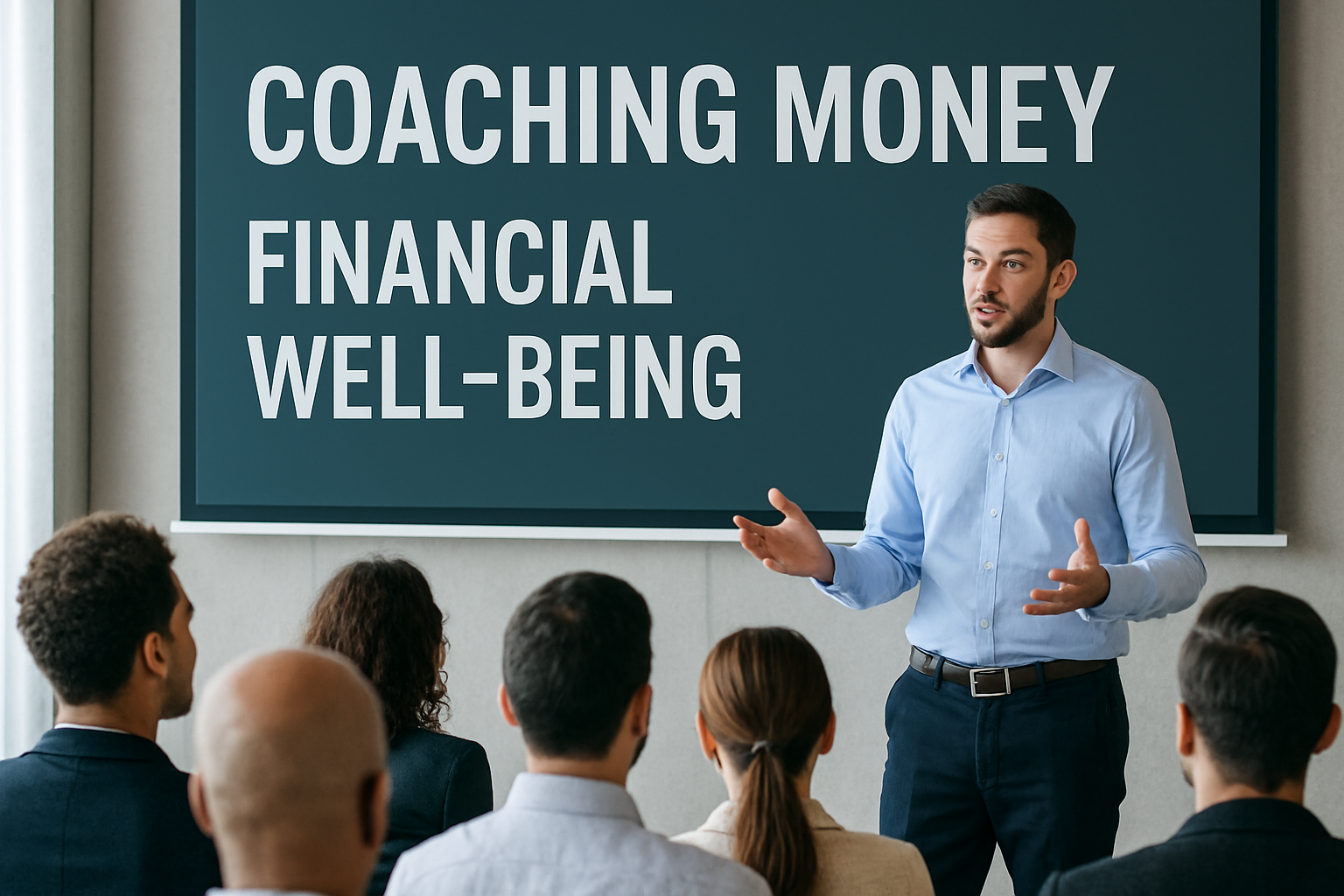
So I began running workshops and financial wellbeing sessions in the workplace. And suddenly, coaching money became a bridge between personal growth and organisational success.
Because when people feel financially secure, they perform better. They’re more engaged. More confident. More loyal.
“Anxiety about finances can be a significant distraction for employees,” I’ve said time and again, “and the companies who get ahead are the ones who care enough to do something about it.”
Coaching Across Borders: From Malta to Estonia and Beyond
When I was invited to lead financial wellbeing workshops in Estonia, I realised something:
The need for financial education knows no borders.
Yes, cultures differ. But the fundamentals of financial wellbeing — budgeting, saving, investing, managing emotions around money — are universal.
So whether I’m coaching in Malta, Estonia, or Poland, my approach stays rooted in the same truth:
Money coaching isn’t just about strategy. It’s about mindset. Until you understand your relationship with money, real progress is almost impossible.
Building a Coaching Money Movement
Today, I’m proud to say we’re building something bigger. Through Money Coaching Hub, we’re helping professionals, parents, companies — anyone who wants to take control of their money story — do just that.
And it’s not just me anymore. I’ve collaborated with incredible people across Europe. We’re launching AI tools. We’re bringing financial wellbeing into schools. We’re even hosting events, like the one I co-organised with FHRD in Malta for CEOs and HR leaders.
And every time someone walks up to me after a session and says, “I wish I had this knowledge 10 years ago,” I’m reminded why this work matters.
Final Thoughts: What I Believe
I believe coaching money is about changing lives.
It’s about helping the woman who wants to build her emergency fund.
The dad who’s tired of living paycheck to paycheck.
The young professional who wants to start investing but feels overwhelmed.
And the HR manager who wants to support their team in more meaningful ways.
This is why I do what I do.
Because I believe that financial literacy should be part of our culture — as fundamental as reading and writing.
In the future, I see a Malta where coaching money isn’t new — it’s normal.
Where schools teach it. Workplaces support it. And families talk about it without fear or shame.
That’s not just my vision.
It’s my contribution.
Would you like to understand how money coaching could help your team, your company — or even just yourself?
Let’s talk.
This article is general financial education, not personal financial advice.